
Training Provider
Technical and career-focused training for oil and gas learners.
• Technical courses
• Practical exposure
• Industry trainers

Empowering energy excellence through industry-led training, career-focused learning, talent development and manpower solutions.
Oil & Gas Meta specializes in delivering practical, career-focused training programs for individuals and organizations. Our approach combines theoretical knowledge, technical exposure and industry perspective to help talents understand the real demands of the oil and gas sector.
Programs are designed around real industry experience, trainer knowledge and practical workplace context.
Built for students, graduates, career switchers and professionals seeking stronger industry readiness.
Training covers oil and gas software, project management, offshore operations, standards and safety.
Beyond training, META Oil & Gas supports talent development, manpower pathways and professional growth.
A focused ecosystem for training, manpower, talent development and professional positioning in the oil and gas industry.
Technical and career-focused training for oil and gas learners.
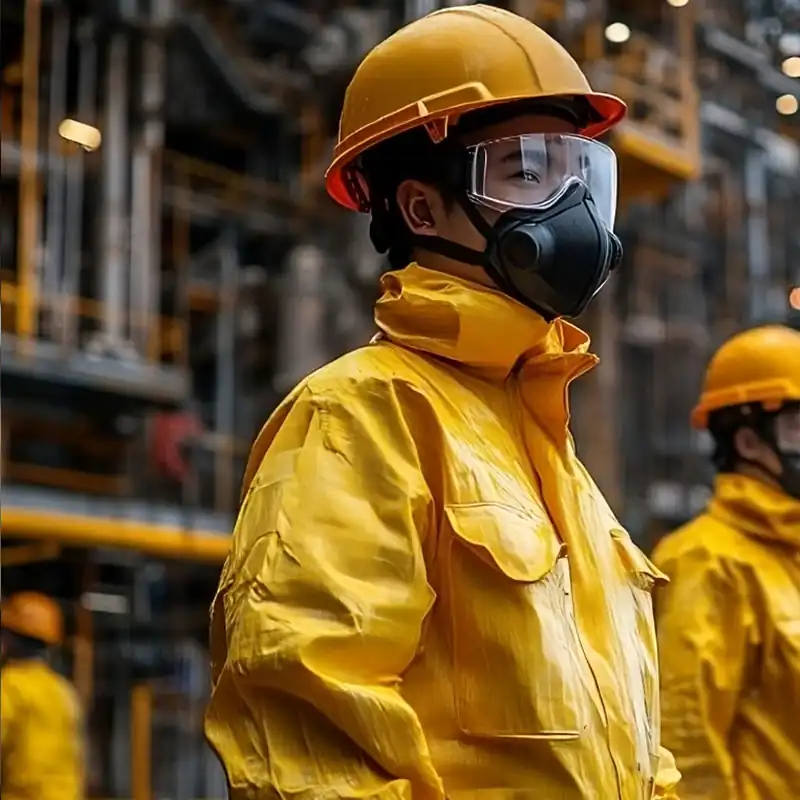
Connecting capable talents with workforce requirements.

Upskilling semi-skilled talents, graduates and experienced hires.

Professional identity support for individuals and organizations.
Explore practical programs across technical software, project management, offshore operations, safety standards and career exploration.
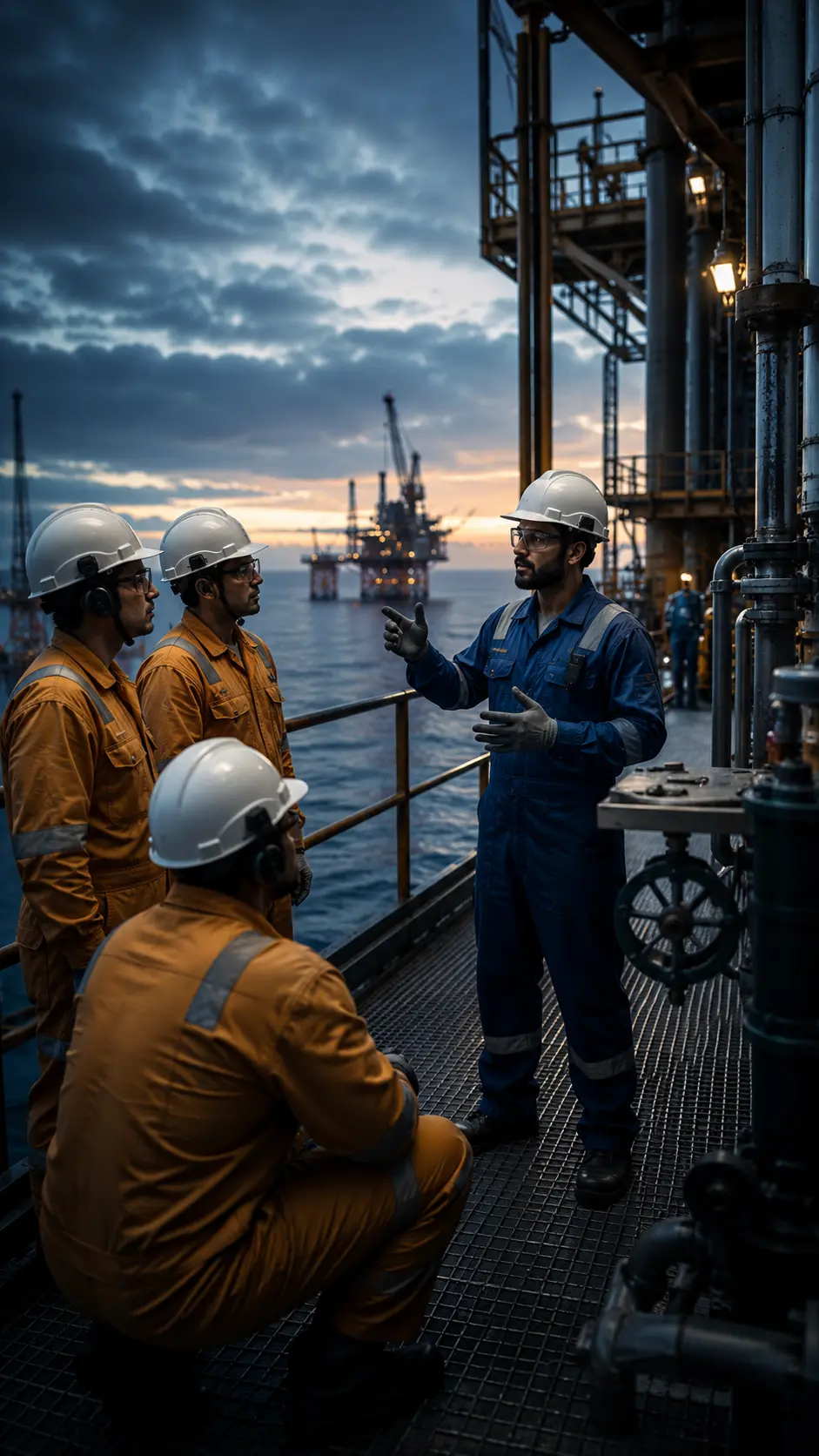
Select a category to explore programs designed for oil and gas talents, engineers, planners, graduates and working professionals.
Build practical reporting and dashboard literacy for data-driven industry workflows.
View ProgramUnderstand process simulation fundamentals and software exposure for oil and gas applications.
View ProgramLearn planning, scheduling and project control basics using Primavera P6.
View ProgramMaster project planning structure, milestones and task management using Microsoft Project.
View ProgramUnderstand important technical standards used across equipment and industry operations.
View ProgramExplore key software tools commonly used in technical and project-based oil and gas roles.
View ProgramGain exposure to offshore operations, role expectations and possible career pathways.
View ProgramPractical SAP exposure for learners aiming to understand workflows used in industry environments.
View ProgramUnderstand project execution, planning, stakeholder coordination and industry project context.
View ProgramLearn safety, risk awareness and HSE fundamentals relevant to oil and gas settings.
View ProgramUnderstand core offshore operations and industry fundamentals for new and aspiring talents.
View Program


A fully funded Train & Place programme designed to prepare young talents for real oil & gas career opportunities through structured training, practical exposure and career placement support.
Stories and feedback from learners who experienced META Oil & Gas programs.

Tell us what you are looking for — training, manpower, talent development, branding, collaboration or sponsorship opportunities.
 admin@oilandgasmeta.com
 Level 33, Ilham Tower, No. 8, Jalan Binjai Kuala Lumpur, 50450, MY
 +60321175034